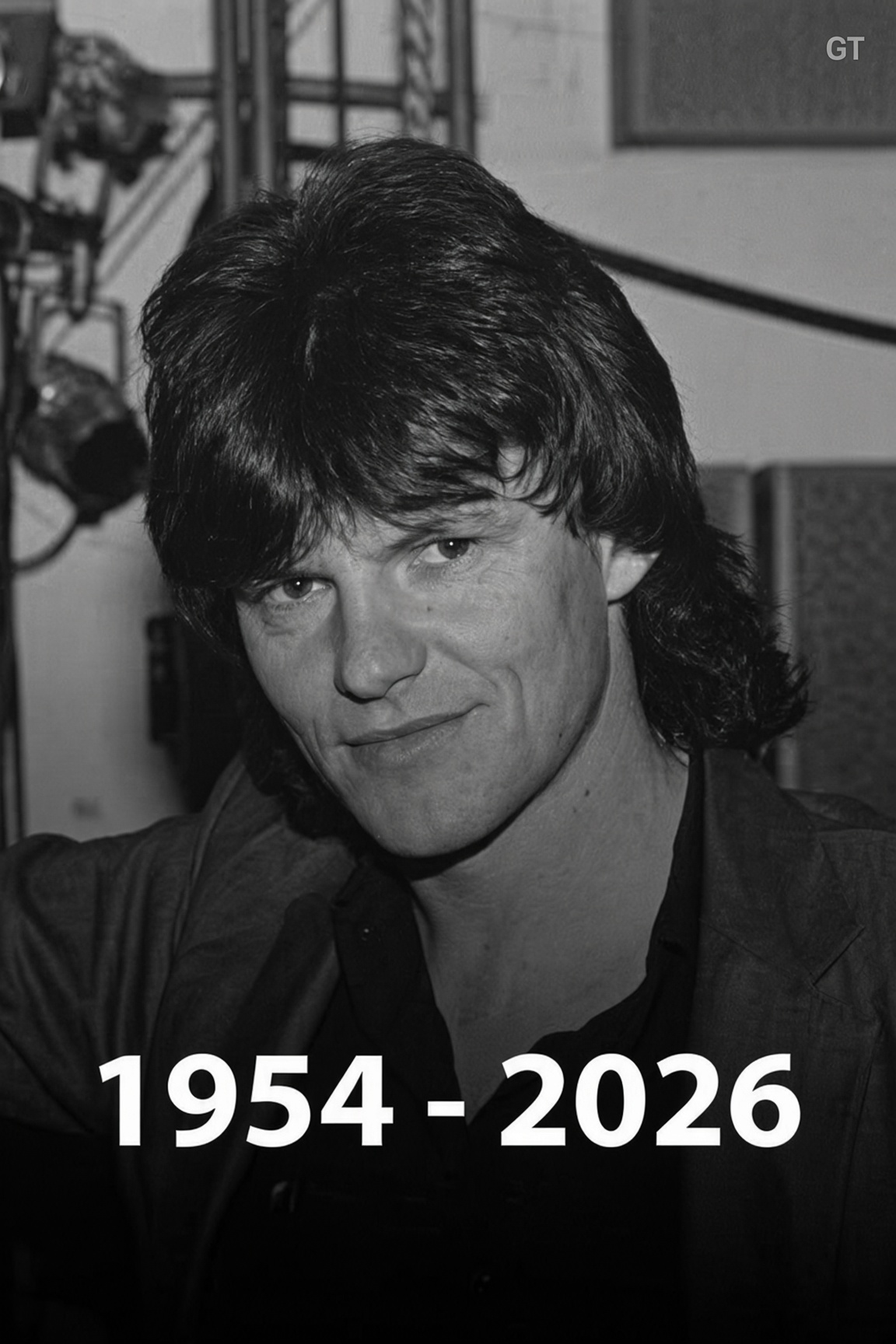
The moment those shimmering keyboard notes begin, many listeners are transported straight back to the 1980s. It was a time when synthesizers were transforming popular music, MTV was introducing unfamiliar faces into American living rooms, and a memorable chorus could make an unknown performer famous almost overnight. One particular recording became a radio favorite, blending electronic rhythms with a voice that sounded both emotional and unmistakably modern. Its success helped a British musical act break into the competitive American market, where international performers were increasingly attracting attention. The song eventually reached the Billboard Top 10, an achievement that established its performers among the decade’s recognizable pop artists. Yet many people who remember the melody have never heard the unusual story of the singer behind it.
What made the recording especially interesting was that the musicians hadn’t written the original composition. Instead, they transformed an existing song into something that sounded entirely suited to the electronic music revolution. The arrangement featured layered synthesizers, a driving rhythm, and expressive vocals that gave the familiar melody a different personality. Behind the scenes, the singer had already worked with musicians whose names would become closely associated with British pop. His career would eventually connect him with another internationally celebrated artist, whose recordings reached millions of listeners. But the most surprising detail is how one recognizable voice became part of two very different musical successes.
The song was “Always Something There to Remind Me,” recorded by the British synth-pop duo Naked Eyes, featuring vocalist Pete Byrne and keyboardist Rob Fisher. Released in 1983, their interpretation of the Burt Bacharach and Hal David composition reached No. 8 on the Billboard Hot 100. The original song had already been performed by other artists, including Dionne Warwick and Sandie Shaw, but Naked Eyes introduced it to a new generation through electronic production. Before forming the duo, Byrne and Fisher had been involved with the band Neon, whose musical connections included future members of Tears for Fears. Byrne’s career also extended into the orbit of Stevie Wonder, contributing backing vocals to Wonder’s 1985 hit “Part-Time Lover.” Those connections illustrate how closely linked the recording industry could be, even among performers with different musical styles. Behind every successful release were complicated financial arrangements involving recording contracts, music publishing, royalty payments, and investments in production. Unlike a traditional estate or mortgage investment, music royalties can continue generating income long after a recording first becomes popular, depending on ownership and licensing agreements.
The duo’s success wasn’t limited to one memorable recording. Their follow-up American hit, “Promises, Promises,” also reached the Billboard Top 20, reinforcing their place in the synth-pop movement. Rob Fisher died in 1999, but the music he created with Byrne continued finding audiences through radio, television, and digital streaming. For listeners who grew up during the 1980s, those songs recall school dances, car radios, and the excitement of discovering new music. Younger audiences can encounter the same recordings without knowing anything about their original chart success. What makes Pete Byrne’s story particularly interesting is that his voice connects the electronic sound of Naked Eyes with the musical world of Stevie Wonder and the early history of Tears for Fears. More than four decades later, “Always Something There to Remind Me” remains exactly what its title suggests: a song capable of bringing back memories with just a few familiar notes.
